An Ode to Strijp-S and the Kind of Hospitality That Makes Us Feel at Home
Strijp‑S: Where Tech Meets Creativity, Past Meets Present
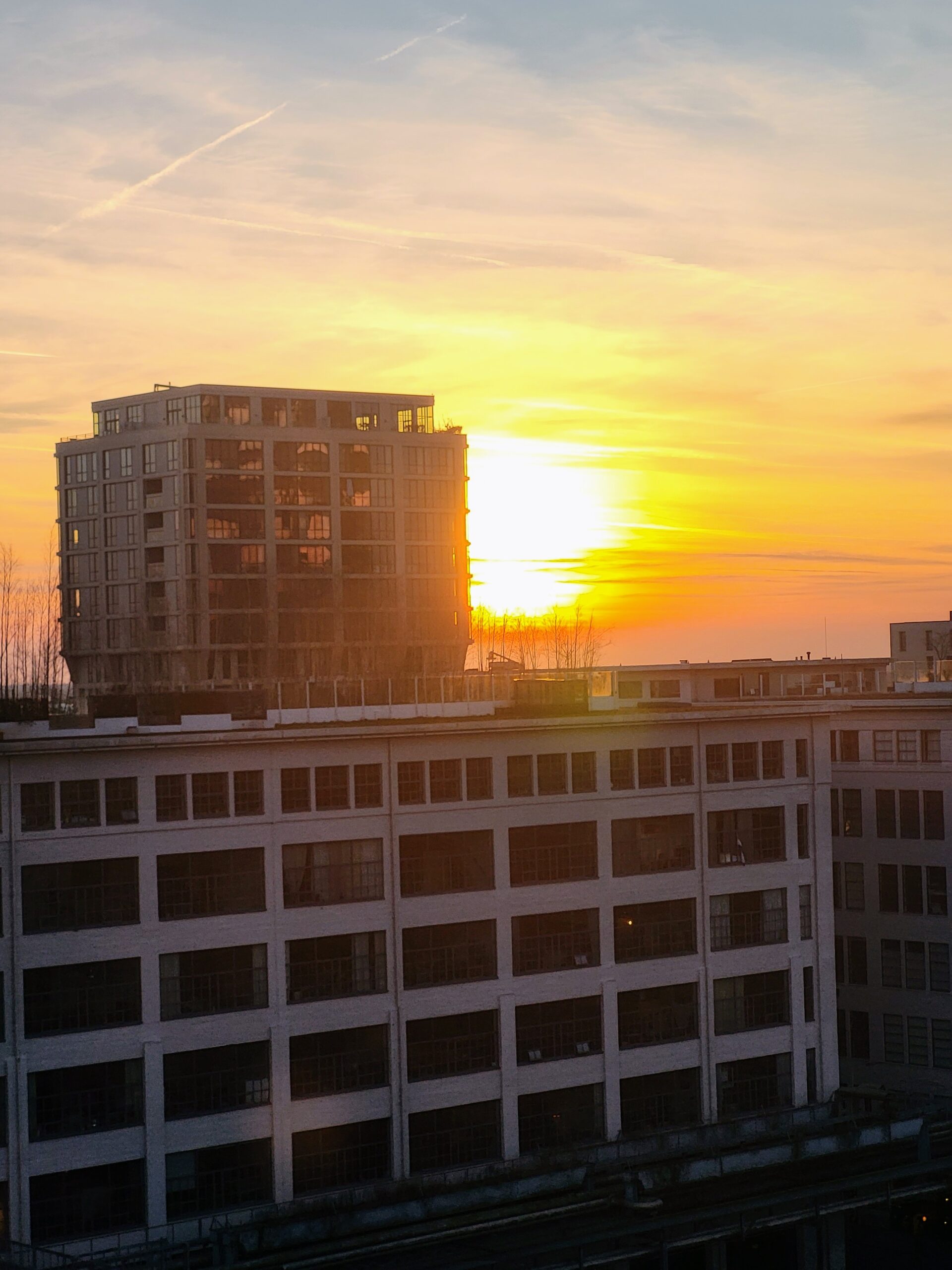
Once known as ‘the Forbidden City’ of Eindhoven, Strijp S isn’t just a district, it’s a feeling. Once home to the Philips factories that shaped Eindhoven’s identity, today it stands as a symbol of transformation and quiet resilience. You can still feel echoes of that legacy in places like the Philips Museum (https://www.philipsmuseum.com) or through the architecture of the former industrial buildings, now housing creative studios, cafés, and concept stores. https://www.driehoekstrijps.nl/
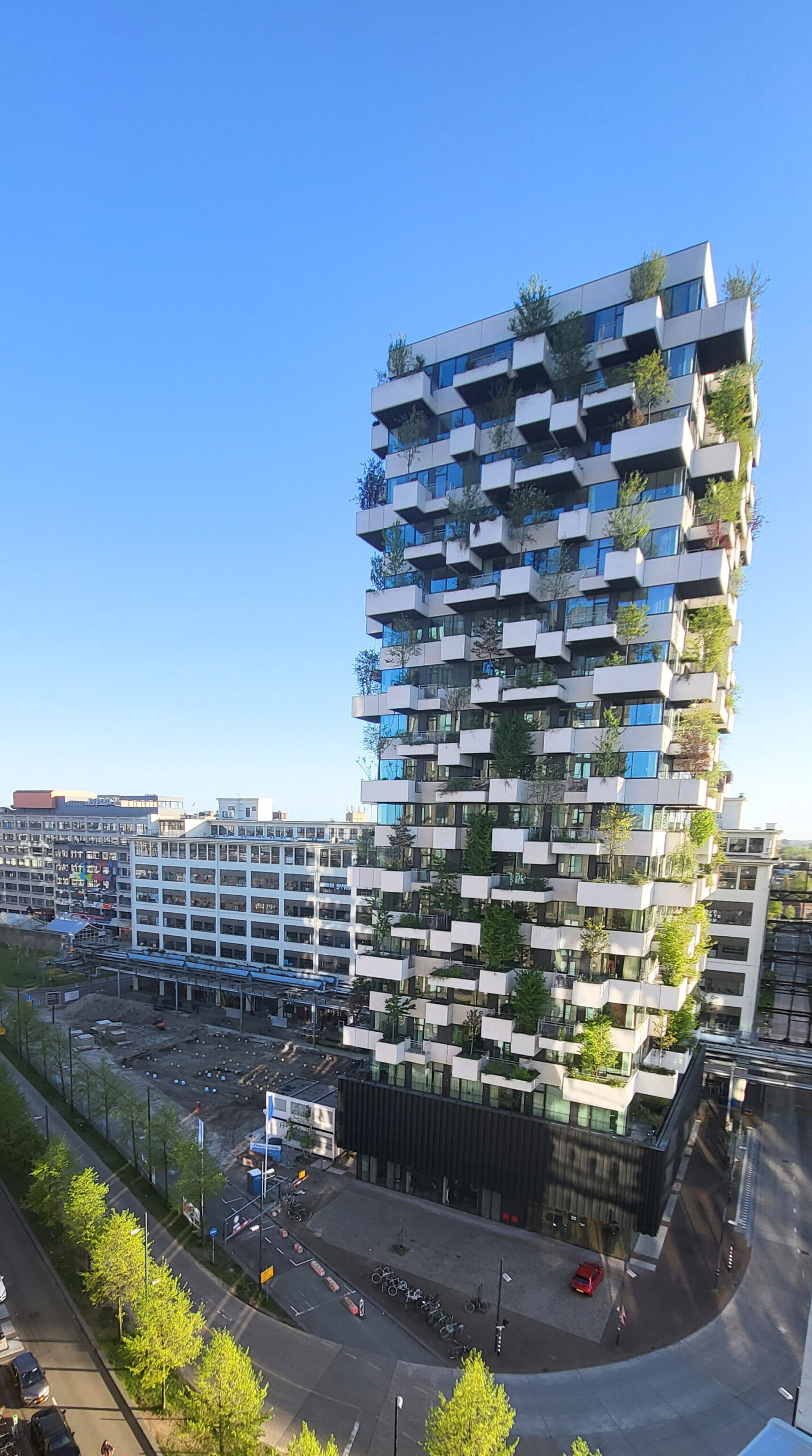
The Anton and Gerard buildings, once part of Philips’ historic Hoge Rug complex, now stand tall as living examples of this transformation. These former factories have been thoughtfully converted into lofts, studios, and creative spaces that blend industrial heritage with everyday life. You can learn more about their story on the official Strijp S site (Anton / Gerard).—where factory workspaces have been reimagined into homes, ateliers, and gathering spaces.
Curious about what I discovered? My story starts below.

DJs, Developers, and Dreamers Welcome
Once the industrial heart of Eindhoven, today it hums with creative energy, gentle contrasts, and stories waiting in quiet corners. For those of us who live here, especially as newcomers or wanderers, it can offer something rare: a soft place to land.
This piece is an ode to that atmosphere. To the warmth that lingers between brick walls and long tables. To the unexpected kindness in a stranger’s gesture. And to the moments that make you feel a little less alone in the world.

“Strijp-S is never still. When the weekend comes, the square at Ketelhuisplein turns into a living room for the city. From above, it’s a patchwork of market stalls, food trucks, and long wooden tables. The air smells of coffee, fries, and grilled something you can’t name but want to try.
“Ketelhuis, one of the first spots in Strijp-S, still anchors the square – now joined by Biergarten and weekend markets (feel good market.)”
Ketelhuis keep the vibe relaxed, while Biergarten Eindhoven adds a playful note with open-air beers and music. This photo captures that energy – a sunny afternoon where locals, expats, and students share the same benches, laughter carrying over the sound of bikes and live tunes.”
Strijp S, Eindhoven: Where Oat Milk Meets Incense and Innovation
In Strijp S, Eindhoven’s once-closed factory district turned creative playground, the Brouwkamer doesn’t advertise itself loudly. There’s no neon, no influencer wall. Just an open door, warm light, and a scent of something earthy and roasted.
I imagined it on a day I couldn’t find my footing. Overwhelmed, overstimulated, and underslept. The kind of day when even speaking feels too much. I wandered into the story the way one enters a courtyard by accident, following a quiet curiosity.
Inside, everything is simple but thoughtful. Concrete softened by reclaimed wood. A long table where strangers occasionally share silence. The playlist is ambient but human, think Nils Frahm, Buddha Bar, maybe a whisper of old jazz.
The barista doesn’t ask, “For here or to go?” She just looks up and says, “Welcome,” in a way that makes you want to stay.
Where Hippies Meet the Yuppies
I settle into a corner. My laptop’s open, but I’m watching. A student group sketches ideas on napkins, somewhere between hope and pressure. A father speaks Tagalog into his phone, then switches to Dutch for the toddler on his lap. A man wearing an ASML badge asks if he can borrow a charger. No one is performing here. They are just being.
A few steps away, a man with shoulder-length blonde hair, blue eyes and worn linen trousers, and a sketchpad resting on his knees sat cross-legged near the window. He looked like someone who didn’t own a phone, or didn’t care where it was. He smiled when our eyes met, then turned back to his drawing.
He could’ve been an artist or just someone who’d seen the world and decided not to rush anymore. You could tell he was part of the furniture here, in the best possible way. A familiar shape in the flow of the place.
Where Hospitality Begins Without a Script
Then, the moment that stayed with me: the barista, seeing me stare too long at my screen, brings over a glass of water without asking. Just a nod. When she returned to take my order, she paused. Her eyes caught mine, and without rushing, she sat down briefly across from me. With a quiet smile, she told me about the café’s speciality beans that had just arrived from a small roastery. The way she spoke, calm and unforced, helped me exhale for the first time that day. That small act, untrained but deeply intuitive, felt like a balm. She didn’t interrupt. She simply noticed and offered a moment of human presence when I needed it most.
And that, to me, is what hospitality is about. Not the performance or surface charm. Not the Instagram moment. But the ability to witness someone else’s quiet needs and meet them with grace.
Beyond Coffee: What We All Carry
The name ‘Brouwkamer’ may be fictional, but the café itself is inspired by real places here in Strijp S—where warmth, rhythm, and genuine hospitality flow as naturally as the coffee. It reminds us that hospitality isn’t reserved for polished service or fancy uniforms. It’s something we carry with us in our tone of voice, our gestures, our timing, and the small ways we respond to the people around us. For many of us who’ve lived between places or across cultures, hospitality takes on a deeper meaning. It becomes a quiet way of belonging.
As a consultant, I often meet people navigating transitions, new cities, new roles, and new rhythms. Especially for expats and cross-cultural wanderers, the subtle burden of adapting can feel invisible but heavy.
That’s where presence becomes powerful. Micro-moments of care, like a warm greeting, a shared smile, or someone noticing when you’re not quite settled, can shift everything. These aren’t grand gestures. They’re signs of emotional fluency and human connection. They say, without words, “You can land here, even for a moment.”
Especially for those who have left something behind, a country, a rhythm, a language, these micro moments of care can feel like Ankommen. A brief landing. A sense of being met.
Hospitality, when it’s real, gives us the courage to stay open in unfamiliar spaces.
Presence: A Buzzword or a Real Skill?
In a time when people move fast and fill their days with noise, choosing presence is a quiet rebellion. It’s offering someone your full attention. It’s listening, not just replying. It’s remembering that empathy doesn’t need big words, it needs willingness, a willingness to pause, to listen without fixing, and to see without judgment.
Whether you’re serving coffee, leading a team, or just walking through your day, the practice of holistic hospitality begins when you choose to notice. That’s the essence of what I now teach and coach. Not service as performance. But hospitality is a mindset, a presence, and a skill we carry into every room.
Strijp‑S is more than a neighbourhood, it’s a creative pulse where expats and locals find their rhythm. As one expat put it, strolling through the transformed Philips buildings felt like ‘an amazing transformation … I came and never left’ Next time you’re in Eindhoven, wander Strijp-S.
Let your feet roam, your mind soften, and who knows, you might find a coffee that feels like home.
Curious who’s behind this? Meet me here – I’m Maria, your guide to hospitality, culture, and presence.